Google Ads vs Meta Ads: Which Is Best?
Every business owner faces a big question when starting paid online marketing: Google Ads vs Meta Ads: Which Is Best? Spending hard-earned money without knowing which platform brings the best return can lead to wasted budgets. MarketingHubb helps businesses navigate complex digital decisions with simple, actionable strategies that drive real revenue.
If your goal is quick sales, brand awareness, or foot traffic to a physical location, picking the right platform makes all the difference. In this deep dive, we break down Google Ads vs Meta Ads: Which Is Best? using easy-to-understand language. By the end of this guide, you will know exactly where to put your ad money to get maximum profits.
Understanding the Basics: Google Ads vs Meta Ads
To choose the right advertising tool, you must first understand how each engine functions at its core.
What is Google Ads?
Google Ads is a search-focused platform. When people need a solution, service, or product, they type keywords directly into Google. Google displays text ads, shopping ads, and map placements at the top of search results. This is often called “demand harvesting” because you show your offer to people actively looking for it right now.
What are Meta Ads?
Meta Ads cover platforms like Facebook and Instagram. Instead of waiting for users to search for something, Meta shows visual ads (images, videos, reels) to users based on their interests, age, behavior, and online activities. This is called “demand generation” because you introduce your product to people while they are scrolling through social feeds.
| Platform Feature | Google Ads | Meta Ads |
| Primary Audience State | High Intent (Searching now) | Passive Interest (Browsing feed) |
| Main Ad Formats | Text, Search, Shopping, YouTube | Images, Videos, Reels, Carousels |
| Best For | Instant sales, direct leads, local services | Brand awareness, visual products, impulse buys |
| Targeting Method | Keywords and Search Terms | Demographics, Behaviors, Interests |
Intent vs. Interest: How Customers Find You
Understanding customer mindsets on these platforms helps clarify Google Ads vs Meta Ads: Which Is Best? for your business model.
- High Search Intent (Google): Imagine a customer’s pipe bursts at home. They open Google and search “emergency plumber near me.” They will click the first clear ad and make a call immediately. They are not browsing; they are buying out of urgent need.
- Passive Interest (Meta): Imagine a customer relaxing on the couch, scrolling through Instagram photos. An engaging ad pops up for a trendy leather jacket. They were not actively looking for a jacket, but the visually appealing image creates instant interest, leading to a buy.
At MarketingHubb, we teach business owners to match their advertising tool with customer buying behavior. High urgency needs Google. High visual appeal needs Meta.
Core Differences Between Google Ads and Meta Ads
Let us look closely at how these platforms operate so you can make an informed choice.
+-------------------------------------------------------------+
|               HOW CUSTOMERS REACH YOUR BUSINESS              |
+-------------------------------------------------------------+
|                                                             |
|   GOOGLE ADS (Demand Harvesting)                            |
|   User Searches Keyword --> Sees Search Ad --> Converts     |
|                                                             |
|   META ADS (Demand Generation)                              |
|   User Scrolls Feed --> Sees Visual Ad --> Interest Spurred |
|                                                             |
+-------------------------------------------------------------+
Search Volume vs Social Attention
Google captures traffic from billions of daily search queries. If people do not search for your product category yet (because it is completely new), Google Search Ads will not get many impressions. Meta, on the other hand, allows you to introduce brand-new concepts directly to millions of active social users.
Ad Placement Options
- Google Placements: Google Search Results, Google Maps, YouTube, Gmail, and partner websites.
- Meta Placements: Facebook Feed, Instagram Stories, Instagram Reels, Messenger, and Audience Network.
Evaluating Google Ads vs Meta Ads: Which Is Best? depends heavily on whether your brand relies on visual storytelling or simple text answers.
Cost Comparison: Budgeting for Both Platforms
Budget constraints play a key role when selecting an ad platform.
Cost Per Click (CPC)
Google Search Ads generally cost more per click than Meta Ads. Because users on Google are actively looking to purchase, advertisers bid heavily on lucrative search keywords. Meta Ads usually offer lower cost per click, making it affordable to show your brand to thousands of people on smaller budgets.
Cost Per Lead (CPL) & Conversion Value
While Meta Ads may generate cheaper leads, Google leads often convert into paying customers faster because of search intent. Evaluating Google Ads vs Meta Ads: Which Is Best? means looking beyond cheap clicks to focus on total return on investment (ROI).
Targeting Capabilities: How Each Platform Finds Your Customer
Both platforms hold rich user data, but they collect and utilize it differently.
Google Keyword & In-Market Targeting
Google targets user queries. You build campaigns around high-intent keywords like “buy office furniture online” or “best legal consultant near me.” You can also target users based on their browsing history across Google services.
Meta Detailed Behavioral Targeting
Meta targets lifestyle traits. You can filter audiences by precise demographics, such as:
- Engaged couples planning a wedding within 6 months
- Frequent travelers interested in luxury fashion
- Parents with school-age children interested in home learning tools
Ad Formats: Text, Visuals, and Video Options
Choosing the right format ensures your promotional content stands out.
- Google Text Ads: Clear, direct headline text and short descriptions focused on clear solutions.
- Google Shopping Ads: Displays product photos, prices, and store names directly inside search engine results.
- Meta Reels & Video Ads: Short, energetic vertical video content that grabs attention instantly.
- Meta Carousel Ads: Displays multiple scrollable images showcasing different product angles or related items.
MarketingHubb emphasizes testing multiple ad formats to see which medium captures your audience’s attention effectively.
Local Business Growth: Why Local SEO and GMB Matter
If you run a local brick-and-mortar business, physical service agency, store, or restaurant, combining paid ad campaigns with strong local optimization is critical. While paid ads drive quick traffic, building sustained local presence relies heavily on local search optimization.
The Power of Google Business Profile (GBP)
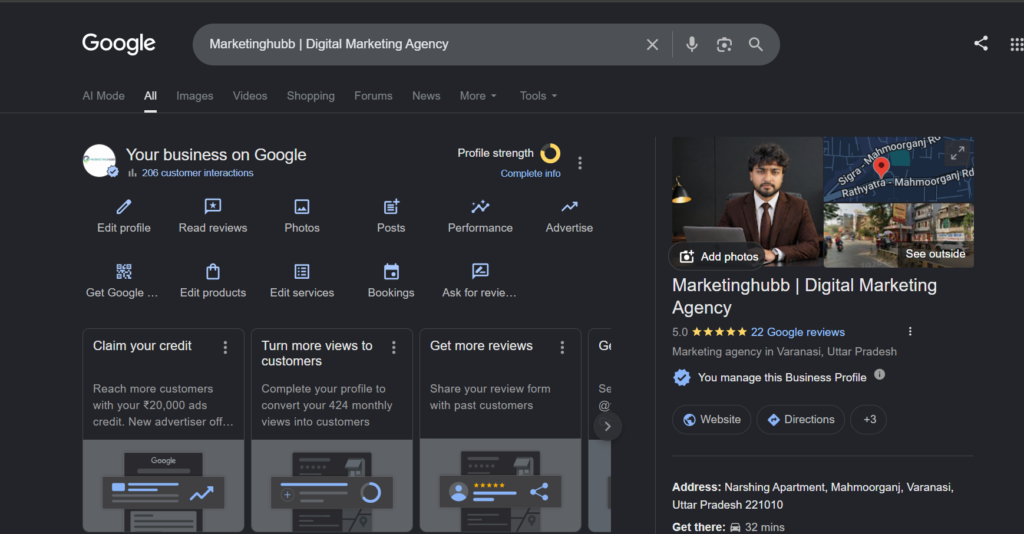
When local customers search for stores, offices, or services near them, Google shows a map pack at the top of local search listings. Having an updated, optimized Google Business Profile (formerly GMB) ensures your business ranks naturally in those map listings.
+-------------------------------------------------------------+
|             LOCAL FOOT TRAFFIC & LEAD GENERATION            |
+-------------------------------------------------------------+
|                                                             |
|   [ Local SEO & Google Business Profile Optimization ]      |
|                                |                            |
|                                v                            |
|   [ Higher Map Pack Rankings & Customer Reviews ]           |
|                                |                            |
|                                v                            |
|   [ Targeted Local Google Ads & Meta Location Ads ]         |
|                                |                            |
|                                v                            |
|   [ Maximum Foot Traffic, Inquiries, & Local Sales ]        |
|                                |                            |
+-------------------------------------------------------------+
Combining Local SEO with Paid Ads
To maximize reach in specific service zones—such as Mahmoorganj, Varanasi (PIN: 221010)—businesses must connect paid ads with organic local search strategies.
- Google Maps Ads: Run location-targeted ads directly on Google Maps so local searchers find your business address first.
- Meta Hyper-Local Radius Targeting: Run Instagram or Facebook ads targeting people currently walking or living within a 2-5 kilometer radius of your store location.
- Local Trust Signals: Highlight verified customer reviews, clear contact information, and exact physical business addresses in all local campaigns.
For hands-on strategic assistance, local service setups, or dedicated inquiries, businesses can reach out directly via contact number 7307260253 or connect with local performance agencies. Combining paid search campaigns with strong local profile setups builds long-term authority and drives predictable store walk-ins.
Case Examples: Which Platform Fits Your Business Type?
To settle Google Ads vs Meta Ads: Which Is Best?, let us look at real-world scenarios across different industries.
Scenario 1: Local Emergency Repair Service
- Business: Locksmith or Appliance Repair Shop.
- Winner: Google Ads.
- Reason: Customers only search for repair services when something breaks. They will not wait to see a Facebook ad; they search Google for immediate help.
Scenario 2: E-Commerce Fashion & Apparel
- Business: Online Clothing Store or Jewelry Brand.
- Winner: Meta Ads.
- Reason: Visual products thrive on Instagram and Facebook feeds where high-quality images and style videos spark impulsive buying.
Scenario 3: Professional Business Services (B2B)
- Business: Accounting Firm or Corporate Software Provider.
- Winner: Both (Combined Strategy).
- Reason: Use Google Ads to capture buyers actively searching for business software, and use Meta Ads to retarget visitors who left your website without signing up.
Common Mistakes Businesses Make on Google and Meta Ads
Avoid these frequent errors to protect your ad spend:
- Not Tracking Conversions: Running campaigns without conversion tracking installed makes it impossible to identify which keywords or images produce actual sales.
- Using Broad Match Keywords Carelessly on Google: Broad keyword settings can waste budget on irrelevant search phrases.
- Ignoring Ad Fatigue on Meta: Showing the exact same visual creative to the same audience for months causes audience interest to drop significantly.
- Sending Traffic to a Generic Homepage: Always send ad traffic to dedicated, high-converting landing pages tailored to the specific offer promised in your ad.
- Neglecting Local Business Profile Setup: Failing to claim and optimize your Google Business Profile causes you to lose out on high-intent map search traffic.
Step-by-Step Guide: How to Run Your First Campaign
Follow these practical steps to launch a successful online advertising campaign:
Step 1: Set a Clear Campaign Goal
Decide whether you need direct website sales, phone call inquiries, physical store visits, or lead form submissions.
Step 2: Calculate Your Budget
Start small. Allocate a daily testing budget across 10 to 14 days to collect initial click and conversion data without overspending.
Step 3: Craft High-Converting Offer Creative
- For Google: Write clear headlines highlighting fast delivery, competitive pricing, or specialized expertise.
- For Meta: Create high-resolution vertical videos, bright images, and straightforward text copy highlighting practical customer benefits.
Step 4: Build Dedicated Landing Pages
Ensure your landing page matches your ad copy, loads quickly on mobile devices, and displays clear call-to-action buttons.
Step 5: Launch, Monitor, and Refine
Review campaign data every three days. Pause low-performing keywords or ad images, and transfer remaining budget to top-performing ad variations.
Key Metrics You Must Track for Success
Keep track of these essential performance metrics to keep your marketing profitable:
- Click-Through Rate (CTR): Percentage of users who clicked your ad after seeing it.
- Cost Per Click (CPC): Total ad spend divided by total clicks received.
- Conversion Rate (CVR): Percentage of site visitors who complete a purchase or submit a contact form.
- Return on Ad Spend (ROAS): Total revenue generated divided by total ad dollars spent.
+-------------------------------------------------------------+
|                KEY AD PERFORMANCE METRICS                   |
+-------------------------------------------------------------+
|  CTR  = (Total Clicks / Total Impressions) * 100            |
|  CPC  = Total Spend / Total Clicks                          |
|  CVR  = (Total Conversions / Total Clicks) * 100            |
|  ROAS = Total Revenue Generated / Total Spend               |
+-------------------------------------------------------------+
Frequently Asked Questions (FAQs)
1. Google Ads vs Meta Ads: Which Is Best for small budgets?
Meta Ads often work better for very small budgets because lower Cost Per Click rates allow you to reach large audiences easily. However, if your service addresses high-urgency needs, small targeted Google Search campaigns can yield faster returns.
2. Can I run Google Ads and Meta Ads at the same time?
Yes. Combining both platforms is often the best strategy. Use Google Search Ads to capture high-intent buyers and Meta Ads to retarget visitors who browsed your site without buying.
3. How long does it take to see real results from online ads?
Meta Ads can generate traffic within hours of approval. Google Search Ads can deliver conversions on day one if your landing page offers high quality and clear pricing.
4. Which ad network delivers higher lead quality?
Google Search Ads generally produce higher-quality leads because searchers actively seek solutions. Meta leads are often higher in volume but may require extra qualification steps.
5. Is local SEO necessary if I already pay for Google Ads?
Yes. Local SEO and Google Business Profile optimization build long-term organic map rankings. Ads deliver immediate traffic, but local SEO ensures sustainable organic visibility without paying per click.
6. How much budget should I start with for digital ad testing?
A modest daily budget running for 10 to 14 days provides reliable data to optimize targeting and ad performance.
7. Do Meta Ads work well for service-based businesses?
Yes. Service businesses can use Meta Ads effectively by showcasing client video testimonials, before-and-after project photos, and localized promotional offers.
Conclusion & Actionable Checklist
Determining Google Ads vs Meta Ads: Which Is Best? ultimately depends on your product, target audience, and business model:
- Choose Google Ads if your customers actively search for immediate solutions, urgent local services, or specific products online.
- Choose Meta Ads if your product is visually engaging, relies on social appeal, or introduces brand-new ideas to market feeds.
- For optimal results, combine both ad channels while maintaining strong local search profiles to dominate digital search results and social feeds.